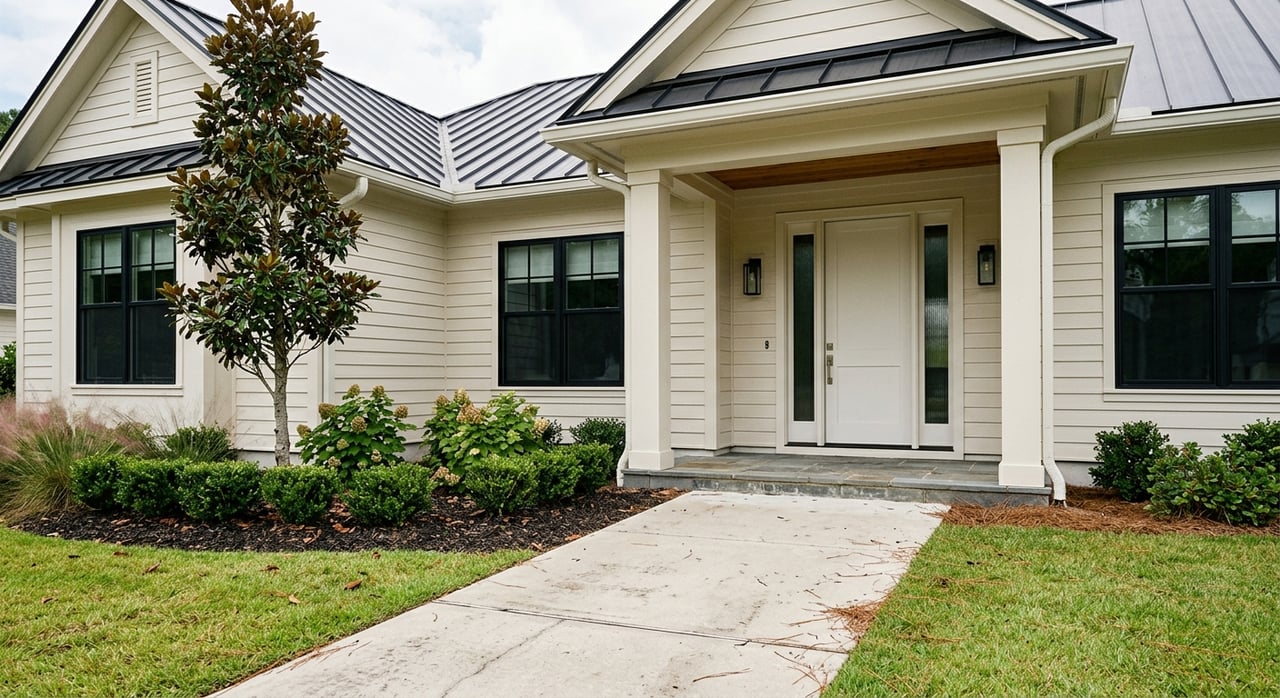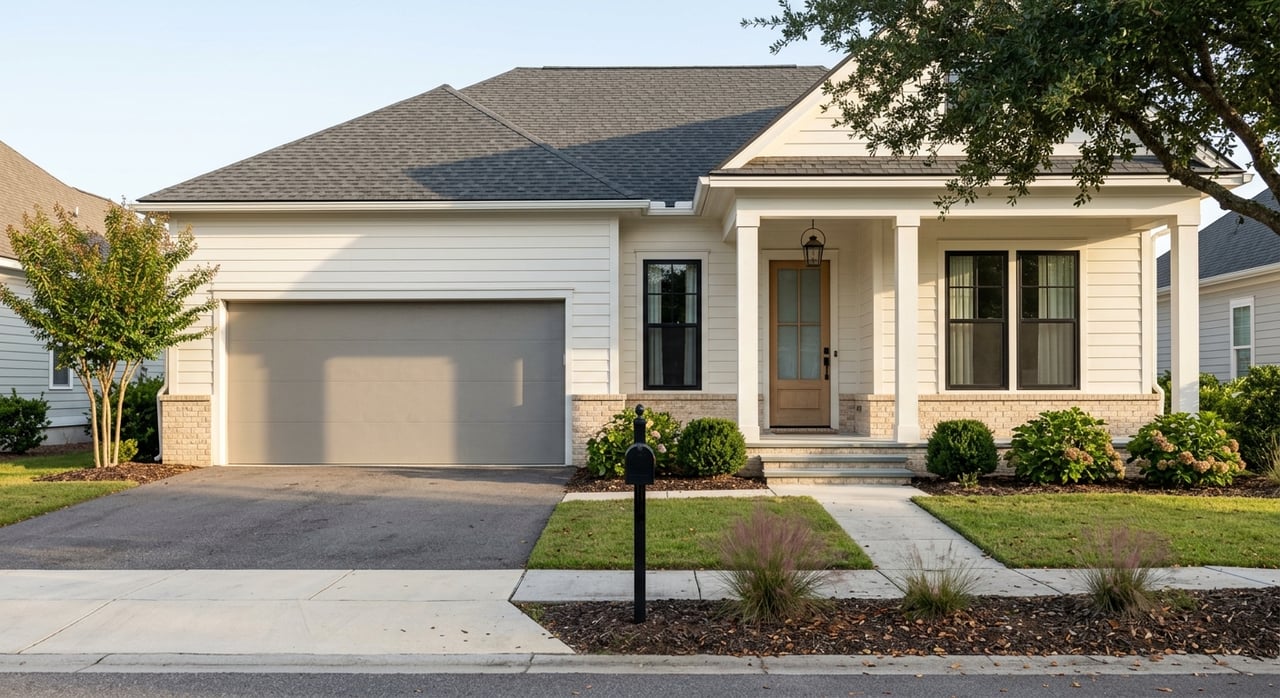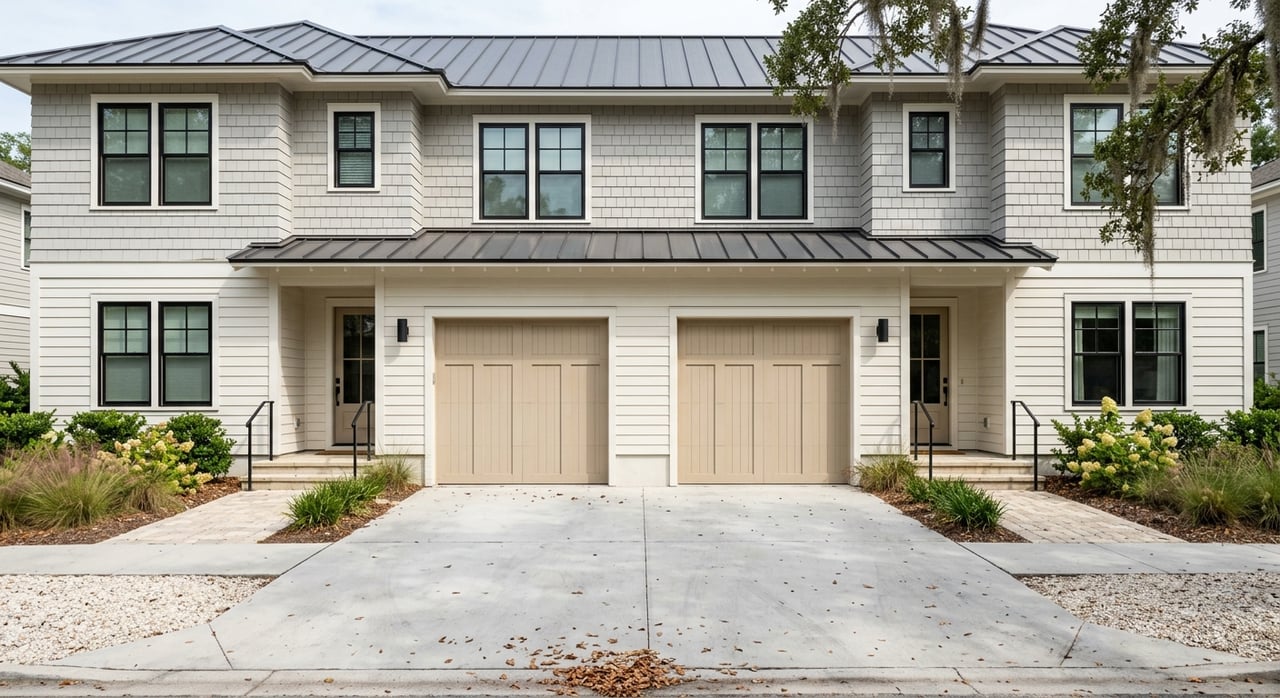
Wondering how much you really need to do before listing a North End home? In a high-value coastal area, it is easy to assume you need a major renovation or a long list of upgrades to compete. The good news is that in the North End, the smarter strategy is usually more focused: fix what matters, refresh what shows wear, and avoid over-improving. If you want your home to feel well cared for, easy to buy, and ready for serious buyer scrutiny, this guide will walk you through where to spend your time and money. Let’s dive in.
Why less can be more
The North End is one of Virginia Beach’s signature beachfront areas, and the city’s broader coastal planning framework emphasizes protecting the area’s landscape, scale, and character. The city’s FY2027 assessor report also places North End at the top of Virginia Beach in assessed value, tied to waterfront property and high-value housing stock. In other words, you are already starting from a position of strength.
That is why a maintenance-first approach often makes the most sense. Instead of trying to reinvent the property, your goal is to present a home that feels dry, sound, tidy, and easy to enjoy. Buyers in this part of Virginia Beach are often looking closely at condition, usability, and documentation, especially in a coastal setting.
Start with moisture and exterior condition
In the North End, visible maintenance carries real weight because coastal homes deal with salt air, storms, and ongoing exposure. Before you think about cosmetic upgrades, make sure the home’s exterior systems show clear signs of care. That starts with the building envelope.
Virginia Cooperative Extension recommends treating water intrusion as a priority. Roof flashing leaks should be repaired quickly, gutters and downspouts should move water away from walls and the foundation, and regular inspections help catch damp spots, worn shingles, and water stains before they turn into bigger issues.
Focus on these first
If you are getting ready to sell, prioritize:
- Roof and flashing repairs
- Gutters and downspouts that drain properly
- Siding with visible damage or wear
- Caulk around windows and exterior penetrations
- Window trim and door trim in poor condition
- Water stains, damp areas, or signs of past leaks
This is not just about appearance. Mold can begin within 24 to 48 hours on wet materials, so unresolved moisture issues can become a much larger problem if left alone. A clean inspection story starts with a dry house.
Keep the yard clean and drainage clear
Virginia Beach is susceptible to flooding because of its elevation and proximity to water. The city notes that homes and commercial properties can be threatened by heavy rain, hurricanes, and nor’easter storms. That makes simple exterior cleanup more important than many sellers realize.
Before listing, walk the property like a buyer would. Look for anything that suggests water may linger, drainage may be blocked, or basic upkeep has slipped. Even if the issue is minor, buyers often read those details as signs of how the property has been maintained over time.
What to clean up outside
Focus on practical items such as:
- Clearing trash and yard debris from ditches and storm drains
- Removing dead or struggling plant material
- Trimming back overgrowth near walkways and entry points
- Tidying storage areas and side yards
- Making sure drainage paths are clear and functional
If your landscaping is tired, keep the refresh simple. Virginia Tech Extension notes that salt spray near seaside or bayside settings can damage trees and shrubs, and that many landscape plants are sensitive to salt. In a place like the North End, neat, salt-tolerant plantings are often a better fit than high-maintenance beds that struggle.
Make outdoor living spaces usable
In a beachside neighborhood, buyers will notice outdoor spaces right away. Decks, porches, patios, railings, lighting, and storage areas all contribute to how the property lives day to day. The key is to make these spaces feel functional and easy to use, not heavily customized.
Because the city highlights North End beach access and the coastal plan emphasizes preserving neighborhood character, the best updates are usually straightforward. Think repaired surfaces, clean finishes, secure railings, and a neutral presentation that lets buyers picture themselves enjoying the setting.
Outdoor updates worth doing
Give attention to:
- Power washing where appropriate
- Repairing loose boards or railings
- Replacing broken or dated exterior lighting
- Cleaning screened porches and patios
- Organizing beach gear or outdoor storage areas
- Touching up worn paint or finishes where needed
Outdoor projects to skip
It is usually best to skip expensive additions that do not solve a condition issue or materially improve usability. In the North End, overbuilt hardscapes or highly personal exterior features may add cost and complexity without strengthening your sale position.
Simple, safe, well-maintained spaces tend to do more for buyer confidence than custom projects completed right before listing. Your home does not need to feel newly reinvented. It needs to feel cared for.
Check permits before exterior work
One of the easiest ways to create stress during a sale is to complete exterior work without confirming permit requirements. Virginia Beach residential permit guidance lists decks, screened-in porches, fences, roofing and siding replacements, and replacing windows or exterior doors when frames or jambs are altered among projects that can require permits.
The city also notes that waterfront construction such as bulkheads, piers, boat lifts, and rip rap can require permits. In some protected areas, permits may be required regardless of project size. If you are planning repairs or finishing work before listing, verify requirements first.
Keep these records ready
If you completed qualifying work, organize:
- Permit records
- Final inspection approvals
- Contractor invoices
- Product or workmanship warranties
- Any related flood-mitigation documentation
Having this paperwork ready can help your listing feel more buttoned up and reduce back-and-forth during buyer due diligence.
Consider a pre-list inspection
Virginia law requires a residential property disclosure statement and states that the seller makes no representations or warranties as to condition, while advising buyers to do their own due diligence, including a home inspection. In practice, that means many buyers will investigate the home carefully.
A pre-list inspection can give you control over timing and decisions. Instead of discovering roof, moisture, plumbing, or HVAC issues during contract negotiations, you can identify concerns early and decide what to repair, what to monitor, and how to prepare for buyer questions.
Why a pre-list inspection helps
A seller-side inspection can help you:
- Catch issues before they affect negotiations
- Repair problems on your own schedule
- Price and position the home more confidently
- Avoid surprises during escrow
- Create a cleaner due diligence process
For coastal homes, this step is often especially useful because buyers may be alert to deferred maintenance, water intrusion, or weather exposure.
Gather flood-related documents early
In the North End, flood-risk questions may come up quickly. Virginia Beach says homeowners can use FEMA’s flood mapping tool or the city map to determine flood zone. The city explains that AE zones have a 1% annual flood chance, while VE zones are coastal areas with a 1% or greater chance of flooding plus storm-wave hazard.
The city also says separate flood insurance is needed because standard homeowner insurance does not cover coastal or inland flooding. If your home has an elevation certificate, that can help with accurate rating by comparing the first floor to the base flood elevation.
Documents worth pulling before you list
Try to gather:
- Current flood zone information
- Elevation certificate, if available
- Flood insurance details, if applicable
- Records of flood-mitigation improvements
- Permits and approvals for related work
This kind of preparation does not just answer questions. It can also help buyers feel that the home has been responsibly managed.
Finish repairs before going live
If you decide to take care of exterior repairs or flood-related improvements before listing, make sure the work is fully closed out. Virginia Beach requires permits for construction and development in Special Flood Hazard Areas, and the city notes that some flood-protection measures may require permits while others may not be safe for the building.
Do not leave buyers with half-finished projects or vague explanations. If work is worth doing, it is worth completing properly and documenting clearly. That includes final inspections, receipts, warranties, and any relevant municipal approvals.
A practical North End prep plan
If you want to get your home market-ready without overdoing it, keep your plan disciplined. In a neighborhood where value is already strong, you do not need to manufacture appeal with oversized projects. You need to reduce friction, show care, and make it easy for buyers to say yes.
Your market-ready checklist
Use this order of operations:
- Repair moisture, roof, and exterior condition issues.
- Clean up drainage paths, yard debris, and visible wear.
- Refresh outdoor living spaces for safe, simple use.
- Verify permit requirements before starting exterior work.
- Organize permits, warranties, and inspection records.
- Consider a pre-list inspection to surface issues early.
- Gather flood-zone and elevation-related documents.
- Skip major additions unless they solve a real problem.
That approach fits both the coastal setting and the expectations of many North End buyers. It also helps you protect your time, budget, and negotiating position.
If you are preparing to sell in the North End, a calm, well-organized strategy usually outperforms rushed upgrades and expensive guesswork. The right plan is not about doing everything. It is about doing the right things in the right order so your home shows well, holds up under scrutiny, and comes to market with confidence. When you are ready for a thoughtful, hands-on listing strategy, connect with Jasmina West.
FAQs
What updates matter most when selling a North End home?
- The most important updates are usually maintenance-related, especially roof, flashing, gutters, siding, caulk, windows, trim, and any signs of moisture intrusion.
Should you renovate before listing a North End home in Virginia Beach?
- In many cases, a maintenance-first approach is stronger than a major renovation, especially if the larger project does not solve a real condition issue or improve daily usability.
Do exterior projects in Virginia Beach require permits before listing?
- They can. Virginia Beach lists projects such as decks, screened porches, fences, some roofing and siding replacements, and certain window or door replacements among work that may require permits.
Why should North End sellers gather flood documents before going on the market?
- Flood-zone information, elevation certificates, insurance details, and mitigation records can help answer buyer questions early and make due diligence smoother.
Is a pre-list inspection helpful for a North End seller?
- Yes. A pre-list inspection can uncover roof, moisture, plumbing, HVAC, and other condition issues before buyers do, giving you more control over repairs and negotiations.